
English| EUR
Suggested for you
More currencies
Choose a language
The escarpment north-west of Kuwait City has two personalities: a mild open-air season and a summer that empties the dunes before mid-morning. This Mutla Desert Safari Kuwait Weather guide sets out what each part of the year actually feels like on the sand. Expect temperature patterns, wind behaviour, and the conditions that decide whether the drive out to Al Jahra is worth making.
Quick answer
The kindest mutla desert safari kuwait weather falls between late October and March, when daytime air sits in the mid-teens to mid-twenties Celsius. Summer afternoons on the ridge routinely clear 45°C, which is why the recommended arrival window is 06:00–09:00. The wildcard in any month is the shamal, a north-westerly wind that can turn clear sky into dust haze within an hour.
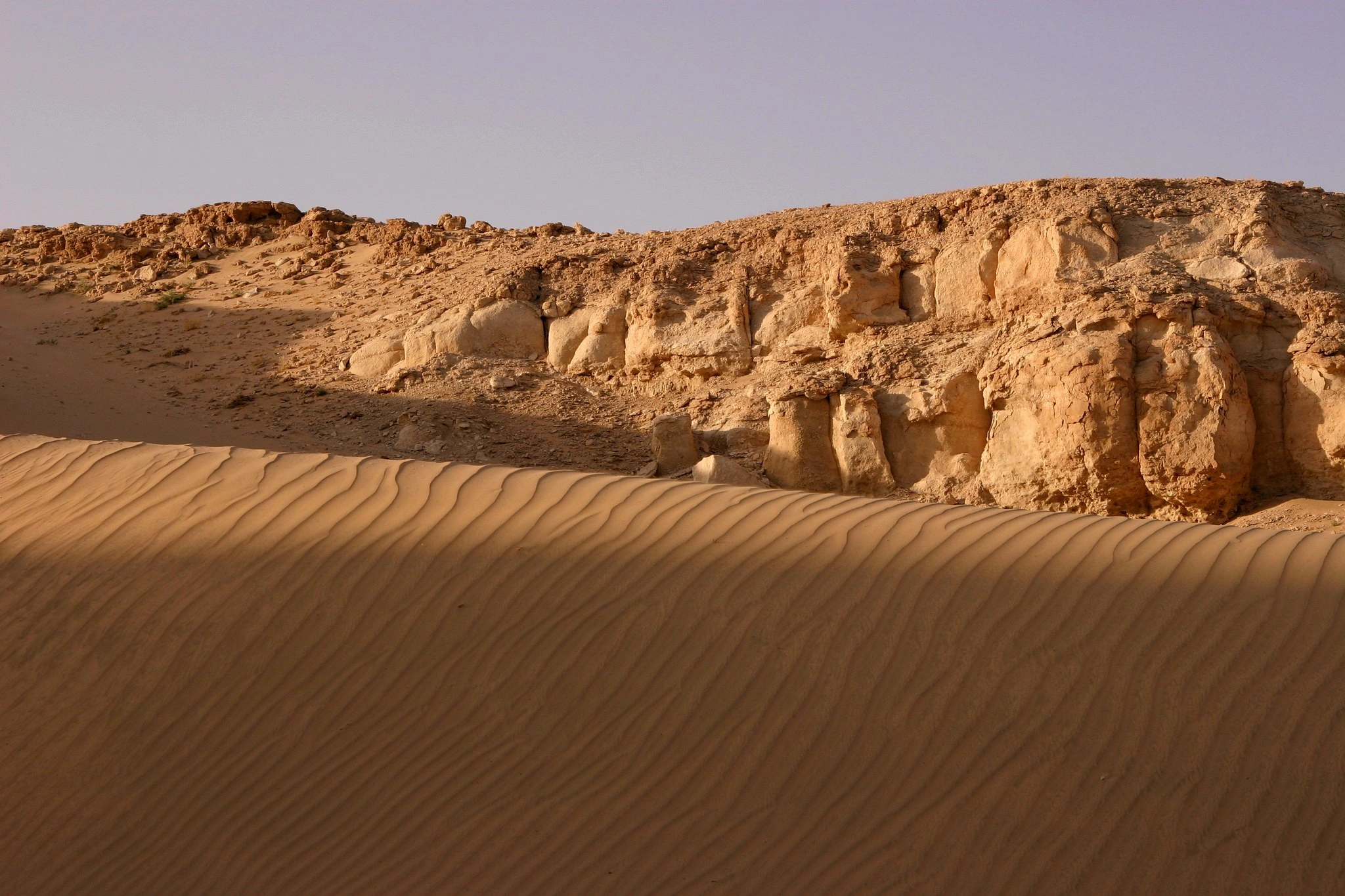
In June 2016, a station at Mitribah — in the same northern desert belt that carries Mutla Ridge — logged 54.0°C, among the highest temperatures ever reliably recorded on Earth. The same ground can fall to single figures on a January night, and hail is not unknown on the escarpment. That range is the whole subject of mutla desert safari kuwait weather. It is also why Kuwaiti families treat the ridge as a seasonal address rather than a year-round one. Three things shape conditions here: the escarpment, the shamal, and the sea. Mutla Ridge rises as a low limestone and gravel ledge above the plain of Al Jahra Governorate, high enough to catch wind the flats below never feel. The shamal, a north-westerly that blows hardest in early summer and again in winter, lifts fine sand off the sabkha and can cut visibility to a few hundred metres inside an hour. Proximity to Kuwait Bay adds August humidity that makes 42°C read far hotter than the figure suggests. Rain is scarce and concentrated between November and April, arriving in short, violent bursts that firm the sand and, in a good year, bring arfaj and desert wildflowers across the slopes. Those variables decide what a drive out is worth. Cool months bring the camping season: canvas enclosures, pickup convoys, dune bashing on the softer sand west of the ridge, and the low, clean light photographers want. Hot months reverse the logic. Heat haze flattens the horizon by 10:00, tyre pressure and engine temperature become the limiting factors, and the dunes stay empty until dusk. Dust events are the one condition that cancels plans outright, and they can build on a cloudless forecast. Checking رحلات السفاري في المطلاع conditions on the morning of the trip matters more than a week-old outlook. Nothing about the site itself gates the visit. Mutla Ridge is open desert in Al Jahra Governorate, with no turnstile and no closing bell, so the limits are set by air temperature, wind and light rather than by a schedule. Operators running guided Kuwait desert safari tours shift departure times through the year for exactly that reason, pulling earlier as the heat builds and later once the nights cool. Anyone planning around mutla desert safari kuwait weather should treat the forecast as the first decision and the season as the second.
“Dust events are the one condition that cancels plans outright, and they can build on a cloudless forecast.”
The most favorable period for visiting the Mutla Ridge is during the cooler months of November through March, when daytime temperatures are manageable for outdoor exploration. Planning your visit during the early morning hours is essential to avoid the intense heat characteristic of the Kuwaiti desert.
Mild to warm, 18°C–25°C
This season offers the most comfortable climate for desert activities. Temperatures remain pleasant throughout the day during these months.
Hot, 28°C–35°C
These transition months feature warmer weather. Early morning excursions are necessary to avoid afternoon heat.
Extreme heat, 40°C–50°C
Summer months present significant heat risks. Outdoor activities during these months are generally discouraged due to dangerous temperatures.
Verdict: The best time to visit is from November to March, arriving during the optimal 06:00–09:00 window to ensure comfortable weather and favorable lighting.
Mutla Ridge is a public desert area accessible 24 hours a day, seven days a week. There are no gates or formal operating restrictions for visitors.
Mutla Ridge is a public desert area, and access is open to the public without formal admission requirements. Consequently, there are no fees associated with entering or exploring this desert space.
Verdict: Visitors pay 0 KWD for entry, as the area remains a public space with no formal admission costs.
Mutla Ridge is located in the Al Jahra Governorate and is accessible primarily by private vehicle. Visitors should approach via the main highway network leading toward Al Jahra before transitioning to desert tracks.
Route 80 (Subiya Highway) toward Al Jahra
Direct hire to Mutla Ridge coordinates
The best arrival window is 06:00–09:00, as early morning offers cooler temperatures and optimal lighting for desert photography. Ensure your vehicle is suitable for unpaved terrain before attempting to navigate off the main highway.
Mutla Ridge's exposed terrain and temperature extremes demand specific preparation for safe exploration.
Everything you need to know about mutla desert safari kuwait weather
When planning your trip, monitoring the mutla desert safari kuwait weather is essential as temperatures fluctuate significantly between day and night. The open terrain provides little shelter from the sun, so checking local meteorological reports helps ensure a comfortable visit. Understanding the nuances of mutla desert safari kuwait weather allows you to prepare appropriate clothing and hydration for the arid environment. While the desert landscape offers expansive views, the mutla desert safari kuwait weather can be unpredictable during transition seasons, making informed planning necessary for all visitors.
There is no entrance fee for this location. It is a public desert area with no formal gate or admission charges, meaning you can explore the ridge without payment.
The best time to enjoy the environment is during the early morning hours. Cooler temperatures during this period make outdoor exploration much more pleasant compared to the intense heat of midday.
Yes, the area is open to the public daily. You may visit at any time from Monday through Sunday, as the site remains accessible throughout the day and night.
The best arrival window is 06:00–09:00. Arriving early provides cooler temperatures and optimal lighting conditions for desert photography.
The primary challenge in this region is managing heat exposure and intense solar radiation. Visitors should bring sufficient water and sun protection to mitigate the effects of the harsh climate while navigating the dunes and terrain.